
Baixyn Invited to The Beijing News Open Mic: Han Mei Shares Going-Global Practices and Thoughts, from Overseas Market Expansion to AI-Native Organizations
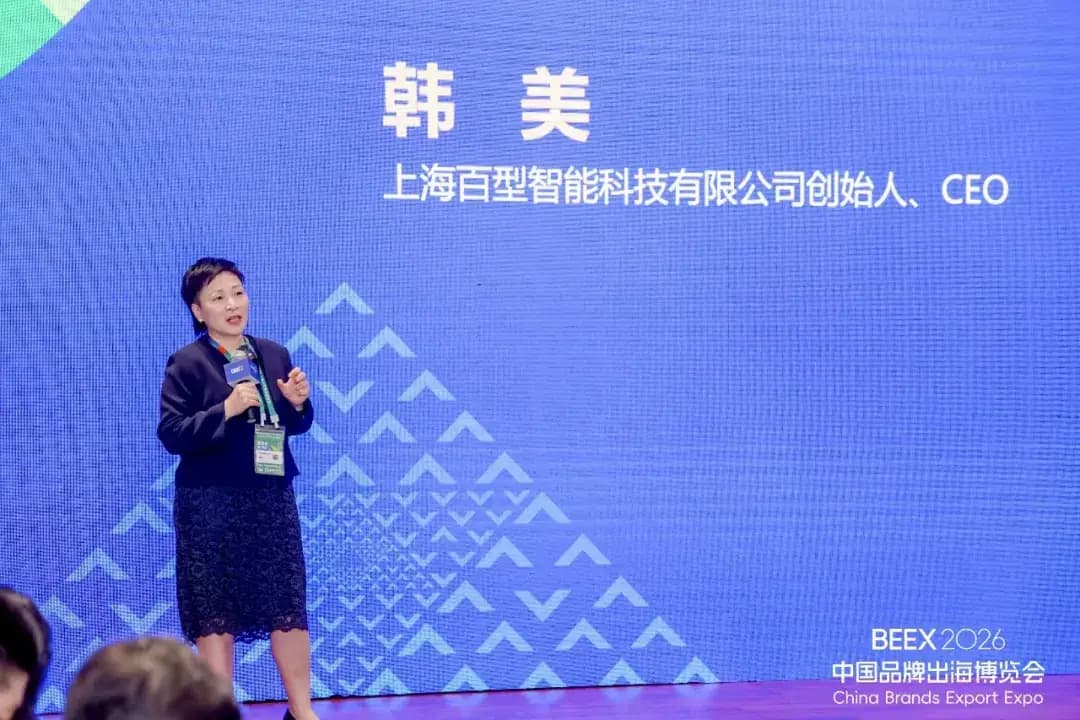
On October 21, at the '2026 China Going-Global Influential Enterprises Open Mic' in Haikou, hosted by The Beijing News Shell Finance, Baixyn CEO Han Mei shared customer cases on how AI helps companies expand overseas and build AI-native organizations.
The event was one of the official parallel forums of the 2026 China Brand Going-Global Expo. Representatives from various fields discussed market selection, business implementation, and long-term operations during globalization, bringing specific judgments and experience to the stage.
Customer practice: From discovering overseas opportunities to capturing customer demand
During the open mic, Han Mei shared two customer stories: an air purification technology company that used AI to discover overseas markets it had not previously focused on, and a digital printing company that, after inquiries increased, explored how to use AI to screen customers and support follow-up.
The first company had previously used Google ads to develop overseas markets, but the leads it generated did not match its business needs well. As air purification technology opened up new application scenarios, the company needed to find the right buyers.
With Baixyn AI, the company found a potential distributor in the Maldives. The market, known for tourism, was not an obvious direction for the team, but local demand for air purification existed. The company later partnered with the local distributor and won orders.
The experience showed the team that judging a market opportunity requires a deeper understanding of how a product is used locally. As its overseas distributor network expanded, the company also began encouraging distributors to use Baixyn AI to develop local customers.
The second story shifted the focus from finding customers to capturing customer demand.
A digital printing company used AI for overseas customer acquisition, and inquiries gradually increased. A new question emerged: with more potential customers, how should the sales team allocate time and identify the opportunities worth prioritizing?
The customer wanted to prioritize opportunities worth more than $100,000 per deal. Around this goal, the Baixyn team further refined customer screening criteria, using AI to support screening, company background research, and demand analysis, before sales staff focused on follow-up.
At the same time, smaller opportunities also needed an appropriate way to be handled. By having AI learn from the experience and methods of top salespeople, the company explored AI-assisted reception and follow-up for these customers, reducing lost opportunities caused by limited headcount.
The two cases represent different stages of going global: discovering buyers a company had not noticed before, and building service and follow-up capacity that matches growth in customer volume.
Understanding the company: Enabling AI to take on complex business tasks
In the following panel discussion, 'Going Global Is More Than Selling Products: How Can Chinese Companies Clear the Next Hurdle?', Han Mei further explained that for AI to participate in a company's actual business, it must first understand the company itself.
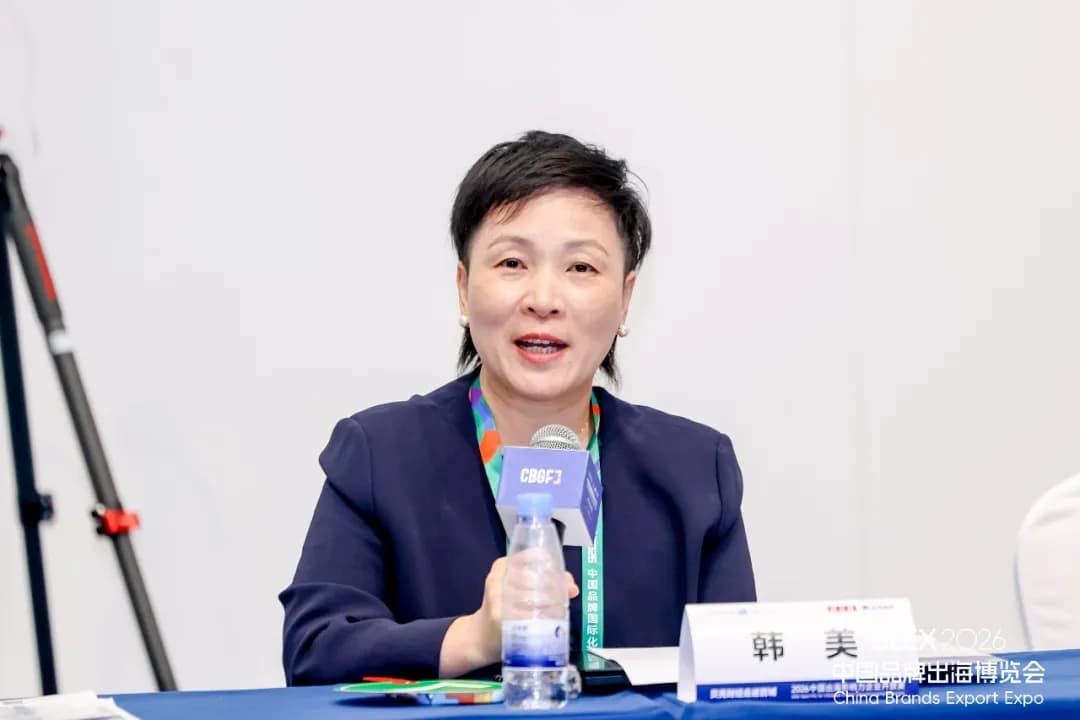
Which scenarios a product fits, which customers are worth prioritizing, and what information salespeople rely on to make judgments—these questions are closely tied to the business experience a company has accumulated. Bringing AI into customer acquisition requires carrying that experience and those judgment criteria into specific tasks.
Han Mei explained that Baixyn combines more than a decade of industry experience with AI technology, using a causal model to help large models understand the company and support complex business tasks. Industry experience helps structure business problems and judgment criteria, while AI technology supports task execution.
This approach is also the foundation of Baixyn's 'enterprise brain-driven multi-agent collaboration.' Around the shared goal of market expansion and customer conversion, the enterprise brain carries understanding of products, customers, and business experience, giving agents the basis to carry out specific work.
For going-global companies, whether AI understands their business determines whether it can identify suitable customers, help analyze demand, and provide useful information for follow-up.
Organization building: Preparing for AI to enter business execution
As AI moves from an assistive tool to business execution, companies need to rethink how workflows and collaboration should be adjusted.
Han Mei emphasized that organizational capability is critical and that companies should focus on building AI-native organizations. Baixyn itself is exploring ways of working that let employees' business experience collaborate with AI's execution capabilities.
Such organizational adjustments are closely tied to specific business work. In customer screening, for example, the team must first clarify business goals and judgment criteria before AI can assist; in customer follow-up, the experience of top salespeople also needs to be structured before it can support more customers.
These changes mean that after introducing AI, companies need to re-examine the division of work and handoffs in existing processes. Which tasks AI takes on, how employees use the information it provides, and how follow-up work is carried forward all need to be clarified in actual business operations.
At the end of the discussion, Han Mei suggested that companies preparing to go global should first identify their strengths and then use AI to amplify them; capabilities they do not yet have can be supplemented through partnerships with experienced third-party service providers.
From discovering new overseas markets to capturing growing customer demand to adjusting organizational collaboration, going-global companies must continually solve the problems that arise after finding customers. The sharing also extended the discussion to how AI can participate more deeply in a company's long-term operations.
The customer has been found—the story is just beginning.