
Han Mei at the 9th CIIE: Making AI a Company's Growth Capability
'For Chinese foreign trade companies going global, what is the biggest gap—if not tools?'
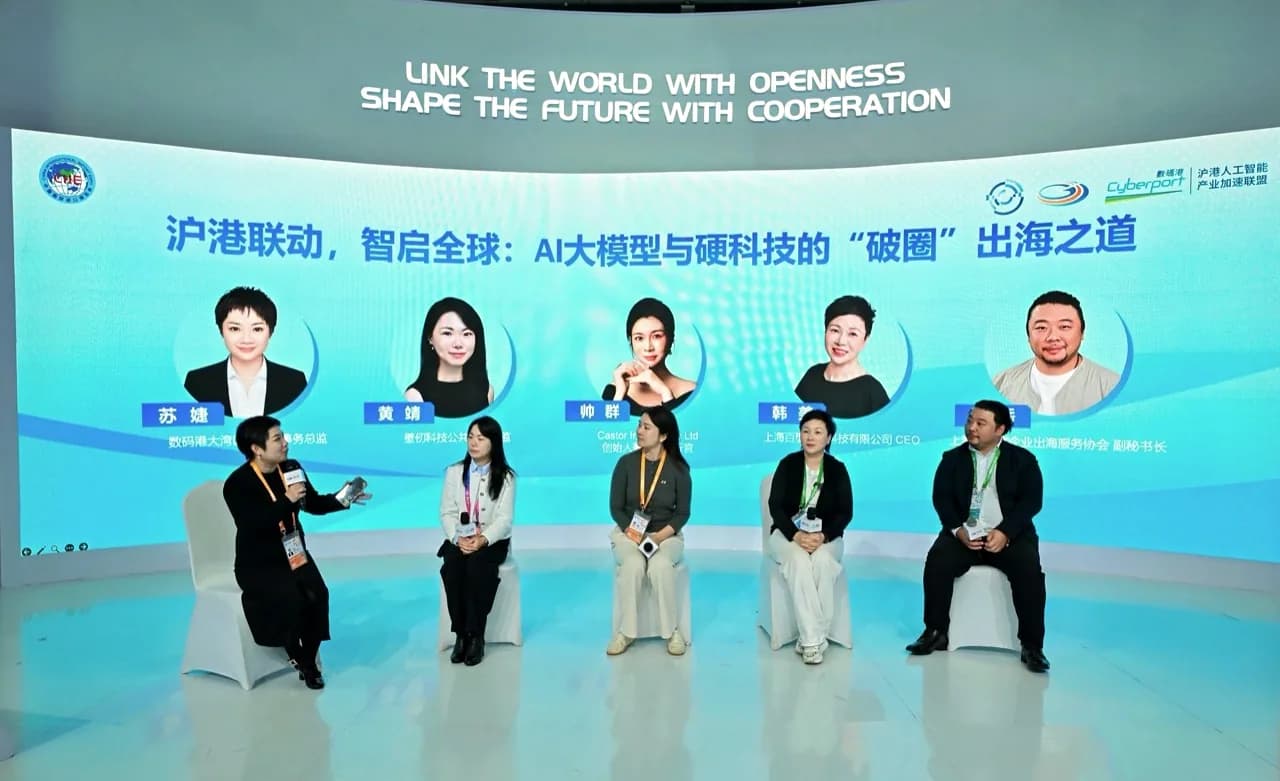
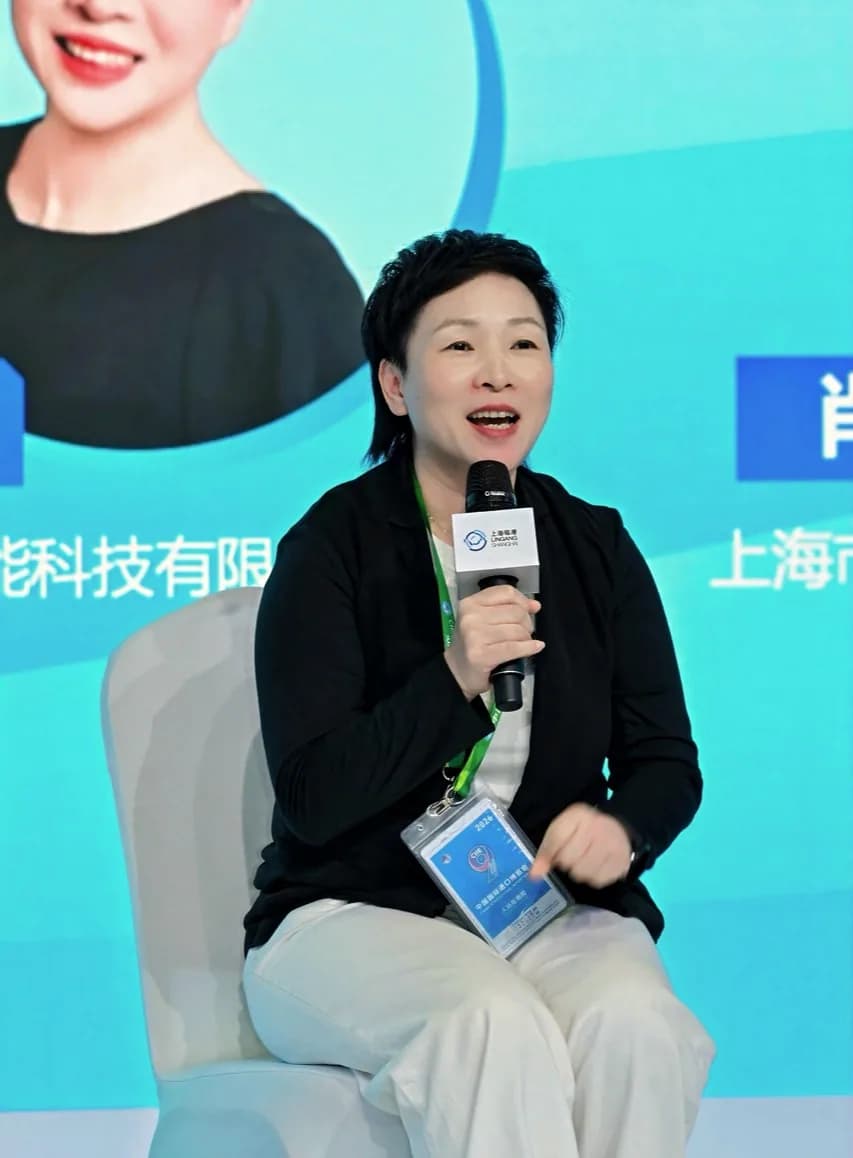
At the Shanghai-Hong Kong roundtable at the China International Import Expo (CIIE), Baixyn founder and CEO Han Mei answered the question this way: a set of capabilities that can sustain growth—specifically, product strength, marketing strength, and supply chain capability.
Many companies have good products and manufacturing foundations, but when entering overseas markets they still need to judge: Is the product suited to local demand? How do we find the customers who truly need it? Once demand is clear, can R&D, production, and delivery keep up?
These questions are interconnected and together determine whether a company can turn a market opportunity into a sustained business.
Around these practical questions, Han Mei shared Baixyn's practice and exploration, and the vision behind it: giving small and medium-sized enterprises the growth capabilities that used to belong only to large companies.
Starting with marketing: Making business outcomes measurable
For going-global companies, marketing strength first shows in whether they can reach the right customers and build valuable business relationships.
This requires understanding their own products and judging overseas companies' businesses, channel roles, and potential needs. Whether a list can become customer resource worth pursuing depends on whether these judgments are grounded.
Baixyn's 'AI enterprise brain + AI foreign trade employee team' is built around this process: the enterprise brain understands products, customers, and business experience, providing a shared basis for judgment; the AI foreign trade employee team then participates in customer acquisition, needs communication, and continuous follow-up.
In her talk, Han Mei mentioned an outdoor home products company served by Baixyn. The project has generated nearly 6,000 potential customer leads, with a lead accuracy rate of 91.1%.
The actual results of customer acquisition and screening helped the customer gradually build trust in Baixyn AI's capabilities. On that basis, the customer proactively offered to pay Baixyn AI foreign trade employee Lisa a 10% commission and hoped it would participate further in advancing the business.
From recognizing execution results to being willing to pay commission based on business outcomes, this trust comes from the value AI has demonstrated in real business.
Baixyn is already practicing measurable outcome delivery in marketing. Its focus is now extending further: after reaching customers, how can real needs further influence a company's product and business decisions?
Bringing market feedback back into product decisions
After finding potential customers, companies encounter more specific questions.
What features are customers willing to pay for? What price is acceptable? What needs to be adjusted in the existing product? This information affects whether a conversation can continue and also relates to the company's next R&D and market investment.
Han Mei proposed that Baixyn wants to help companies use AI to conduct MVP—minimum viable product—market validation faster.
Around a target market, companies can first collect feedback through product concepts, samples, or small-batch products, then judge whether the product direction is viable and which parts need improvement.
Making real demand the basis for judgment before scaling investment is an important step in improving product strength.
AI can help companies organize customer information and summarize feedback to support product decisions. Companies then need to combine their technology, costs, and manufacturing capabilities to decide how to adjust products and plan investment.
Baixyn is extending from marketing practice into the product stage, exploring how to bring information gained from customer acquisition back into demand validation and product innovation.
Connecting customer demand with delivery capability
Once customer demand is validated, growth still has to pass the delivery stage.
When sales promises a delivery date, can it be based on materials and capacity? After a customer changes requirements, do R&D and production have the same information? When delivery risk appears, can the business team adjust customer communication in time?
These questions relate to supply chain capability and to how a company collaborates internally.
In Han Mei's view, further connecting sales, R&D, procurement, production, and delivery requires an organizational approach in which people and AI participate together. The enterprise brain carries shared business information, and each role collaborates around clear tasks and responsibilities.
Baixyn is currently building an AI-native organization and exploring extension into the supply chain. These scenarios are directions that need to be validated and connected step by step, while professional judgment, execution authorization, and delivery responsibility also need to be clarified together.
When demand generated by marketing can enter product and delivery stages, and feedback from delivery can return to business judgment, each part of the work has a chance to accumulate continuously.
Making every practice the foundation for the next stage of growth
Product strength, marketing strength, and supply chain capability ultimately need to work together in the same business.
Marketing helps companies reach customers, demand validation helps them improve products, and the supply chain turns commitments into delivery. Information and feedback generated at each stage can influence the next action.
Baixyn hopes to use AI to help companies gradually connect this business chain while retaining past judgments, execution experience, and customer feedback so that these accumulations can serve future work.
For small and medium-sized enterprises, the starting point can be very specific: one target market, one product, and a set of customer needs to validate. First validate results in real business, then adjust and expand based on feedback.
'AI should give small and medium-sized enterprises the growth capabilities that used to belong only to large companies.'
In Baixyn's practice, this vision starts with overseas customer acquisition, letting AI gradually understand the company, participate in execution, absorb feedback, and extend toward more complete business collaboration.
What Baixyn hopes to help companies gain is a growth capability they can continuously use and accumulate: discovering customers with better evidence, understanding markets more promptly, organizing collaboration more effectively, and making every business practice the foundation for the next stage of growth.